

What is a Solar Pile Driver? How It Works, Types, Uses
A solar pile driver is a specialized construction machine used to install foundation piles for ground-mounted solar panel systems. It drives steel piles, posts, or other foundation supports into the ground, providing a stable base for solar mounting structures. Compared with manual installation or conventional piling methods, a solar pile driver can significantly improve installation speed, positioning accuracy, and construction efficiency on large-scale solar farms.
As utility-scale solar projects continue to expand worldwide, solar pile driving machines have become essential equipment for solar farm developers, EPC contractors, piling contractors, and solar mounting system installers.
In this guide, we will explain what a solar pile driver is, how it works, its main types, key applications, and how to choose the right machine for your solar installation project.
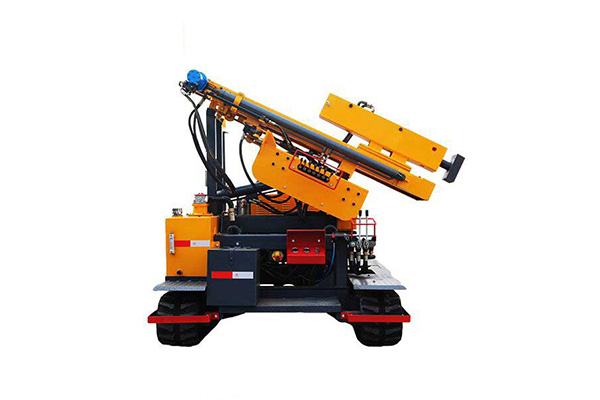
What is a Solar Pile Driver?
A solar pile driver, also known as a solar piling machine or solar pile driving machine, is a piece of construction equipment designed to install foundation piles for ground-mounted photovoltaic (PV) systems.
These machines typically use hydraulic impact hammers, vibration systems, or other piling mechanisms to drive foundation piles into the ground to a specified depth. Depending on the machine configuration, some models also support drilling, pre-drilling, or auger drilling to handle hard soil conditions.
The primary purpose of a solar pile driver is to establish reliable foundations for solar mounting structures while reducing installation time and labor costs.
How Does a Solar Pile Driver Work?
A solar pile driver uses a piling mechanism to install foundation posts into the ground. Although operating procedures vary by model, the general process includes the following steps.
1. Position the Machine
The operator moves the machine to the designated piling location and aligns it with the project layout. Accurate positioning is essential for maintaining the required spacing and alignment of solar mounting foundations.
2. Align the Foundation Pile
A steel pile or post is placed in the machine’s pile holder or guide. The operator adjusts the mast to achieve the required vertical or inclined piling angle, depending on the foundation design.
3. Drive the Pile Into the Ground
The machine activates its hydraulic hammer or other piling system to drive the pile into the soil. The pile is installed until it reaches the specified depth or meets the project’s acceptance criteria.
4. Perform Pre-Drilling When Necessary
In dense soil, gravel, or other challenging ground conditions, pre-drilling may be required. Machines equipped with drilling functions can create a pilot hole before driving the pile, depending on the selected configuration and engineering requirements.
5. Check the Installation
After installation, the operator checks the pile position, elevation, alignment, and installation depth. Additional verification may be required to confirm that the foundation meets the project’s engineering specifications.
By combining mobility, hydraulic power, and specialized piling equipment, a solar pile driver helps construction teams install large quantities of foundation piles efficiently.
Types of Solar Pile Drivers
Solar pile drivers can be classified into three main types based on their driving mechanisms.
1. Hydraulic Hammer / Rammer
A hydraulic hammer solar pile driver uses hydraulic power to generate repeated impacts, driving steel piles into the ground. It is widely used in solar farm construction for efficient and controlled pile installation.
2. Vibratory Driver
A vibratory solar pile driver uses high-frequency vibrations to reduce soil resistance and drive piles into the ground. It is suitable for compatible pile types and soil conditions, particularly where vibration-assisted installation is effective.
3. Impact / Diesel Hammer
An impact hammer drives piles into the ground through repeated blows, while a diesel hammer uses fuel combustion to generate impact energy. These systems are suitable for projects requiring impact-based pile installation, depending on soil conditions and pile specifications.
What Are the Main Applications of Solar Pile Drivers?
Solar pile drivers are primarily used in projects where ground-mounted solar structures require driven or drilled foundation piles.
Utility-Scale Solar Farms
Large solar farms require thousands or even hundreds of thousands of foundation piles, depending on the project size and mounting design. Solar pile drivers help contractors maintain installation productivity across extensive construction sites.
Commercial Ground-Mounted Solar Systems
Commercial and industrial solar installations may use ground-mounted structures to support photovoltaic panels. A suitable pile driving machine can help streamline foundation installation for these projects.
Agricultural and Remote Solar Projects
Solar installations in agricultural areas or remote locations may involve uneven terrain, long travel distances, or limited infrastructure. Crawler-mounted solar pile drivers can be useful when their ground clearance, traction, and operating capabilities match site conditions.
What Are the Benefits of Using a Solar Pile Driver?
Investing in a suitable solar piling machine can offer several operational benefits.
1. Higher Installation Efficiency
Mechanized piling enables contractors to install foundation piles more consistently than manual methods. Actual productivity depends on soil conditions, pile dimensions, installation depth, machine configuration, and site organization.
2. Lower Labor Requirements
A solar pile driver can reduce the amount of manual work required for repetitive foundation installation. This helps contractors allocate workers to other construction activities.
3. Improved Pile Positioning
A properly configured machine provides pile guides and mast adjustment features that help operators position piles accurately. Final accuracy still depends on surveying, machine condition, operator skill, and quality-control procedures.
4. Adaptability to Different Ground Conditions
Depending on the model and attachments, solar pile drivers can handle a range of soil conditions. Machines with pre-drilling capabilities may be especially useful where direct pile driving is difficult.
5. Better Project Cost Control
Faster installation, reduced manual handling, and fewer equipment changes can improve project economics. However, the total cost advantage depends on equipment investment, mobilization, maintenance, fuel consumption, operator costs, and actual site productivity.
Conclusion
A solar pile driver is an essential piece of equipment for installing foundation piles in ground-mounted solar projects. By mechanizing the piling process, it helps contractors improve installation efficiency, manage labor requirements, and maintain consistent foundation positioning.
If you are looking for a reliable solar pile driving machine for your next solar farm project, Roadsky can help you evaluate suitable equipment configurations based on your application requirements. Contact our team to discuss your project specifications and request a customized quotation for your solar pile driver.
 English
 Español
 Français
 العربية
 Português
 Deutsch
 Русский
 Italiano