

What is Core Drilling? How It Works, Types, Uses
Core drilling is a drilling method used to remove a cylindrical sample, or core, from materials such as rock, concrete, asphalt, or soil. Unlike conventional drilling, which removes all the material inside a hole, core drilling cuts around the outside of the hole and leaves a solid cylindrical section that can be extracted for inspection or testing.
Core drilling is widely used in geological exploration, mining, construction, infrastructure projects, and material testing. Depending on the application, different types of core drilling rigs and drill bits are available.
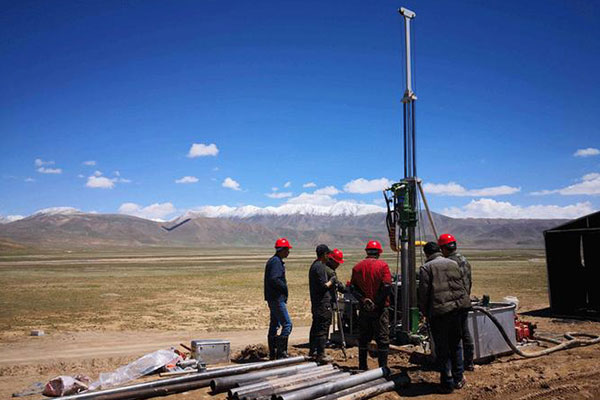
How Does Core Drilling Work?
Core drilling uses a hollow drill bit rather than a solid drill bit. As the drill rotates, the cutting edge removes material around the circumference of the hole while the center section remains intact.
The basic process usually includes:
- Positioning the core drilling rig over the drilling location.
- Installing the appropriate core drill bit.
- Rotating the drill bit while applying downward pressure.
- Using water or drilling fluid to cool the bit and remove cuttings.
- Extracting the cylindrical core sample from the core barrel.
For hard materials such as rock and reinforced concrete, diamond core drill bits are commonly used because industrial diamonds provide excellent cutting performance and wear resistance.
What is a Core Drilling Rig?
A core drilling rig is specialized equipment designed to perform core drilling operations.
Depending on the application, a rig may include:
- Drill head
- Hydraulic or mechanical feed system
- Drill rods
- Core barrel
- Diamond drill bit
- Water or mud circulation system
- Power unit
- Control system
Core drilling rigs range from small portable machines used for construction work to large hydraulic drilling rigs capable of drilling hundreds or even thousands of meters underground.
Main Types of Core Drilling
1. Diamond Core Drilling
Diamond core drilling uses diamond-impregnated drill bits to cut through hard materials.
It is commonly used for:
- Mineral exploration
- Geological investigation
- Concrete drilling
- Rock sampling
- Mining projects
Diamond drilling can produce relatively smooth and accurate core samples, making it one of the most widely used methods for geological exploration.
2. Concrete Core Drilling
Concrete core drilling is commonly used in construction and renovation projects.
Contractors use core drills to create precise circular openings for:
- Electrical cables
- Plumbing pipes
- HVAC systems
- Drainage pipes
- Utility lines
- Anchor installations
Diamond core bits are particularly suitable for drilling reinforced concrete because they can cut through both concrete and embedded steel reinforcement.
3. Geological Core Drilling
Geological core drilling is used to obtain underground rock samples.
Geologists examine these samples to understand underground formations, including:
- Rock type
- Mineral composition
- Geological structures
- Fractures
- Ore deposits
The information collected from core samples can help determine whether a site is suitable for mining, construction, tunneling, or other engineering projects.
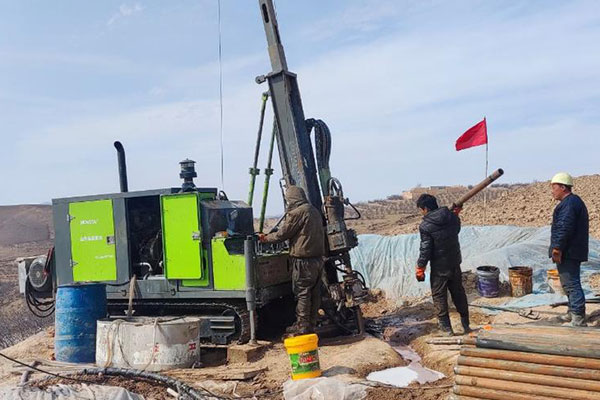
What is Core Drilling Used For?
Core drilling has many industrial and engineering applications.
Mineral Exploration
Mining companies use core drilling to collect rock samples from underground formations.
The samples allow engineers and geologists to analyze mineral deposits and estimate their:
- Depth
- Thickness
- Quality
- Distribution
This information is important when evaluating the economic potential of a mining project.
Geotechnical Investigation
Before constructing buildings, dams, bridges, tunnels, or other large structures, engineers often need information about underground conditions.
Core drilling provides samples that help evaluate:
- Rock strength
- Soil conditions
- Ground stability
- Fracture zones
- Geological layers
These results can support foundation and structural design.
Construction
Core drilling is frequently used to create precise holes in concrete walls, floors, and foundations.
Compared with impact drilling, diamond core drilling can produce cleaner openings with relatively low vibration, making it suitable for many structural applications.
Road and Pavement Testing
Core drilling can also remove samples from asphalt or concrete pavement.
Engineers may test these samples to determine pavement:
- Thickness
- Density
- Strength
- Material composition
This helps evaluate road quality and maintenance requirements.
Wet vs Dry Core Drilling
Core drilling can be performed using either a wet or dry drilling method. The best choice depends on the material, working environment, and project requirements.
Wet Core Drilling
Wet core drilling uses water to cool the drill bit and reduce friction during drilling. The water also helps control dust and remove debris from the hole.
It is commonly used for:
- Reinforced concrete
- Hard rock
- Large or deep holes
- Continuous drilling operations
Wet drilling generally provides faster drilling and can extend the life of diamond core bits.
Dry Core Drilling
Dry core drilling does not use water and is often used where water is unavailable or could damage the surrounding area.
It is suitable for:
- Brick
- Masonry
- Concrete blocks
- Indoor applications
- Smaller drilling jobs
Dry drilling is more convenient in some working environments, but it usually generates more dust and heat.
In general, wet core drilling is preferred for demanding or heavy-duty applications, while dry drilling is useful when clean water-free operation is more important.
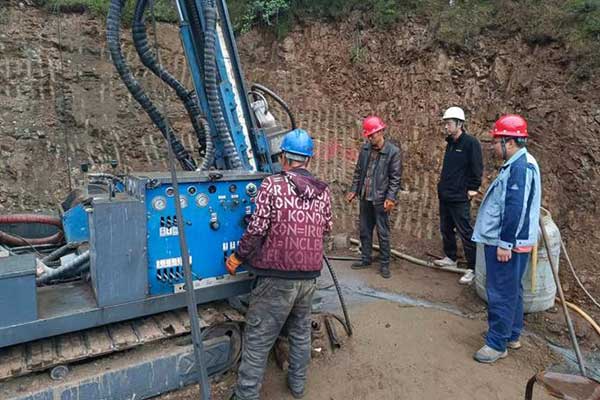
Advantages of Core Drilling
Core drilling offers several important advantages:
- Accurate and clean holes
- High-quality core samples
- Suitable for hard rock and reinforced concrete
- Lower vibration than many impact drilling methods
- Suitable for both shallow and deep drilling
These advantages make core drilling useful for both construction and exploration projects.
How Deep Can Core Drilling Go?
The drilling depth depends on the type of machine and geological conditions.
Small construction core drills are mainly used for shallow holes, while professional exploration core drilling rigs can drill hundreds of meters underground. Some heavy-duty hydraulic rigs can reach depths of more than 1,000 meters under suitable conditions.
How to Choose a Core Drilling Rig
When selecting a core drilling rig, consider:
- Required drilling depth
- Hole diameter
- Rock or soil conditions
- Required drilling angle
- Site mobility
- Power and torque
- Drill rod and core barrel specifications
For deep geological and mineral exploration, a full hydraulic core drilling rig usually provides better control over rotation speed, feed pressure, and drilling efficiency.
Conclusion
Core drilling is an efficient method for creating precise holes and collecting cylindrical samples from rock, concrete, and other materials. It is widely used in mining, geological exploration, construction, and engineering testing.
Choosing the right core drilling rig based on drilling depth, diameter, geological conditions, and site requirements can improve drilling efficiency and core recovery.
 English
  Español
  Français
  العربية
  Português
  Deutsch
  Русский
  Italiano