

Highway Guardrail Components Explained
Highway guardrails play a crucial role in road safety, protecting vehicles from hazardous areas and reducing the severity of accidents. Understanding the key highway guardrail components is essential for civil engineers, road construction companies, and safety-conscious authorities. This guide covers all major components, their functions, and installation insights.
What Are Highway Guardrails?
A highway guardrail is a safety barrier installed along roadsides, medians, bridges, and embankments to prevent vehicles from leaving the roadway. Guardrails are designed to absorb impact energy and redirect vehicles safely back onto the road.
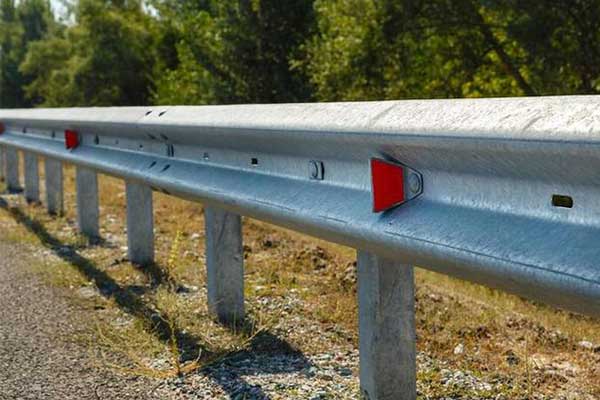
Main Components of Highway Guardrails
Highway guardrails consist of several components working together to provide maximum protection. These components include:
1. Guardrail Posts
Function: Guardrail posts are vertical supports that hold the guardrail in place. They are typically made from wood, steel, or composite materials.
Key Points:
- Provide stability to the guardrail system
- Installed at specific intervals based on road type and design standards
2. Guardrail Beams (Rails)
Function: Guardrail beams are the horizontal elements that absorb and redirect the energy of a vehicle impact.
Types:
- W-beam guardrails: Most common type for highways
- Thrie-beam guardrails: Used in areas with high-speed traffic
Material: Typically hot-dip galvanized steel for durability and corrosion resistance
3. Guardrail End Terminals
End terminals are installed at the beginning and end of a guardrail system. Their purpose is to prevent vehicles from crashing into the sharp ends of guardrails, which can cause severe damage. Modern end terminals are designed to absorb energy and redirect vehicles safely.
4. Guardrail Hardware
Hardware includes bolts, nuts, washers, and brackets required for connecting the beams and posts.
5. Guardrail Reflectors
Although not a structural component, guardrail reflectors play a crucial role in visibility. They improve driver awareness during night-time driving or adverse weather conditions.
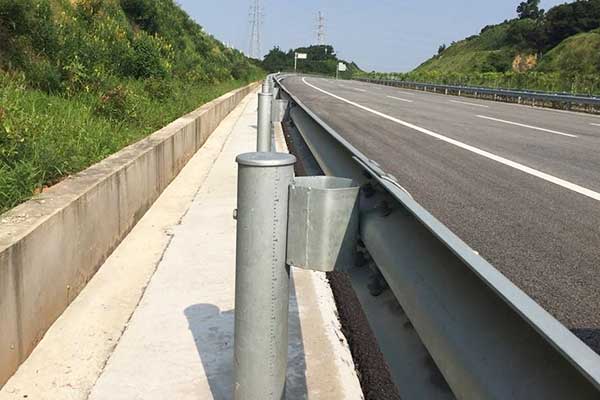
Importance of Quality Guardrail Components
Using high-quality guardrail components is essential for road safety. Poorly manufactured or installed components can fail during an accident, leading to severe injuries or fatalities. Corrosion-resistant materials, strong hardware, and proper installation practices extend the life of guardrails and ensure consistent performance.
Installation Considerations
When installing highway guardrails, the following factors should be carefully evaluated:
- Road type and traffic volume: Select the appropriate guardrail beam type and determine proper post spacing based on traffic speed and flow.
- Soil conditions: Verify that post foundations are stable and capable of withstanding different weather and ground conditions.
- Impact energy requirements: Install suitable end terminals and crash cushions to safely absorb impacts, especially on high-speed roadways.
- Maintenance accessibility: Design the layout to allow easy access for routine inspection, repair, and replacement of components.
Conclusion
Highway guardrails are more than just roadside barriers—they are engineered safety systems designed to protect lives. By understanding their key components, engineers and highway authorities can ensure roads are safer for all users.
For businesses or contractors in the highway safety industry, sourcing reliable, high-quality guardrail components is essential. Investing in proper guardrail systems saves lives and reduces long-term maintenance costs.
Your Trusted Partner for Highway Guardrail Components
Looking for reliable, high-quality highway guardrail components for your road safety project? Contact Roadsky today for professional solutions, durable materials, and expert support. Let us help you build safer roads with guardrail systems you can trust.
 English
  Español
  Français
  العربية
  Português
  Deutsch
  Русский
  Italiano